NEW DESIGNS
Eight coins, new faces
King Charles III’s coins carry a portrait by sculptor Martin Jennings, facing left, and new nature reverses: a hazel dormouse on the 1p up to national flowers on the £2.
Check a coin
UK COINS, IN PLAIN ENGLISH
HEADS & TAILS a pocket of history
AI-generated image, not a photograph of a real person or place.
Every coin in your pocket has a story.
UK coins are struck by The Royal Mint in Llantrisant, South Wales. Coins carrying King Charles III now circulate alongside billions of older ones, and since the end of 2023 eight new nature designs have followed.
THE SHORT ANSWER
Old and new coins circulate side by side.
Here is what has changed, and what has not.
NEW DESIGNS
King Charles III’s coins carry a portrait by sculptor Martin Jennings, facing left, and new nature reverses: a hazel dormouse on the 1p up to national flowers on the £2.
Check a coinMAKING
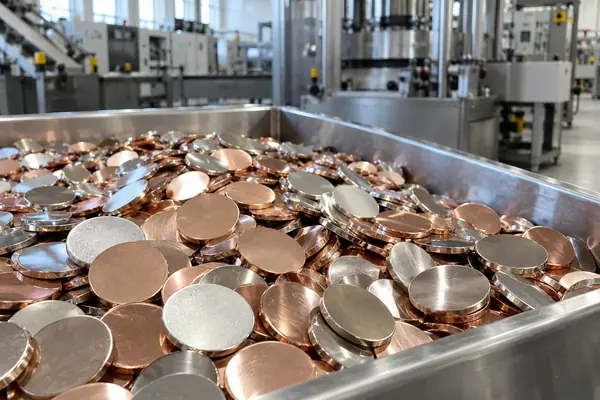
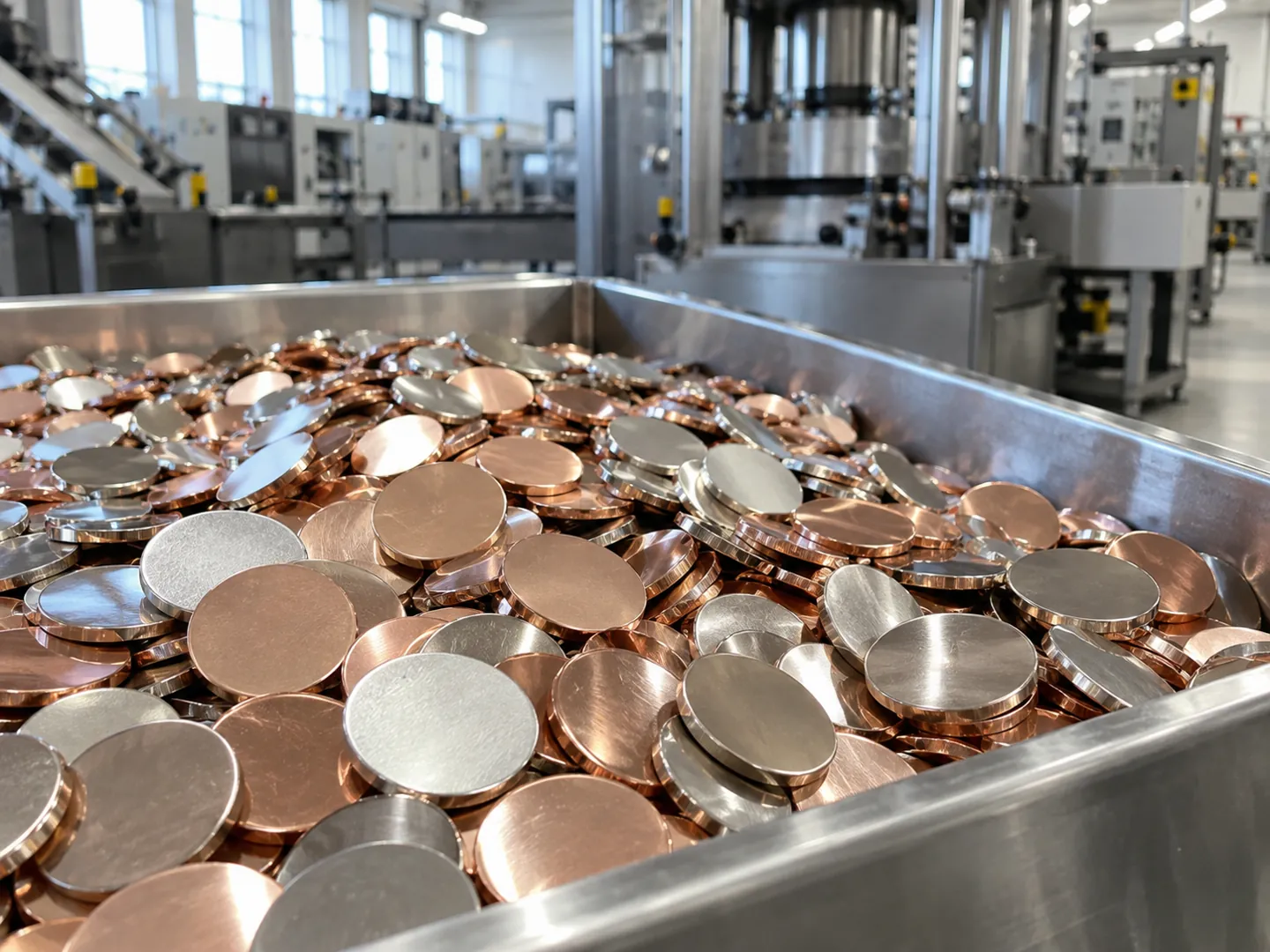
Discs called blanks are punched out at up to 10,000 a minute, softened at up to 950°C, then struck with around 60 tonnes of pressure.
How a coin is madeCOLLECTING
Rarity comes down to mintage, the total number struck. Some 2019 alphabet 10ps had just 63,000 each, and they are still in circulation.
See the numbers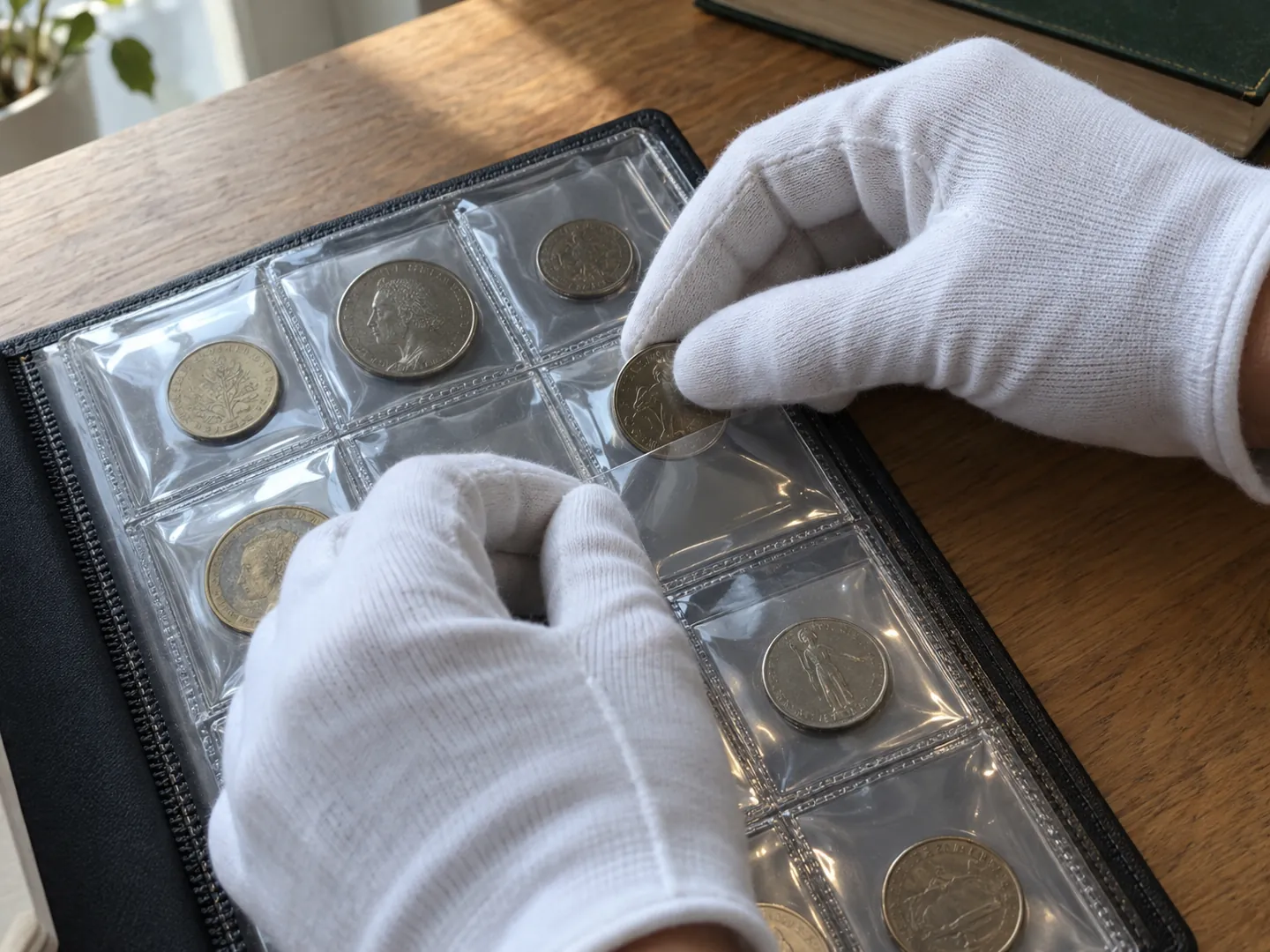
FROM BLANK TO BANK
The Royal Mint describes the journey in a handful of steps, from molten metal to a finished coin pressed on both sides.
Metals are melted together in exact proportions to make a long strip, cut into coils weighing up to 2.8 tonnes, then rolled down to coin thickness.
A blanking press punches plain discs out of the strip at up to 10,000 a minute.
Rolling hardens the metal, so blanks are heated in an annealing furnace at up to 950°C, then cleaned of marks.
A coining press with a pair of dies stamps both sides at once, with around 60 tonnes of pressure.
TWO NUMBERS WORTH KNOWING
One figure on the coins already out there,
one on how fast new ones are made.
≈ 27 billion
Queen Elizabeth II coins still in use
The Royal Mint says about 27 billion coins bearing Queen Elizabeth II’s effigy are in circulation. They will be replaced over time as they wear out or are damaged, and as more coins are needed.
IN CIRCULATION · ROYAL MINT
850 a minute
Coins struck by one press
A coining press holds a pair of dies and strikes blanks with around 60 tonnes of pressure, at up to 850 strikes a minute.
STRIKING · ROYAL MINT
For decimalisation The Royal Mint needed nearly six billion coins. It outgrew its home at Tower Hill in London, and a new mint at Llantrisant was officially opened by Queen Elizabeth II in 1968. Decimal Day was 15 February 1971.
A QUICK COIN CHECK
Pick a coin to see how much it counts for as legal tender. The bar shows how large a debt it can settle on its own.
Legal tender has a narrow, technical meaning about settling debts. A shop can still choose what payment it accepts.
STARTING A COLLECTION
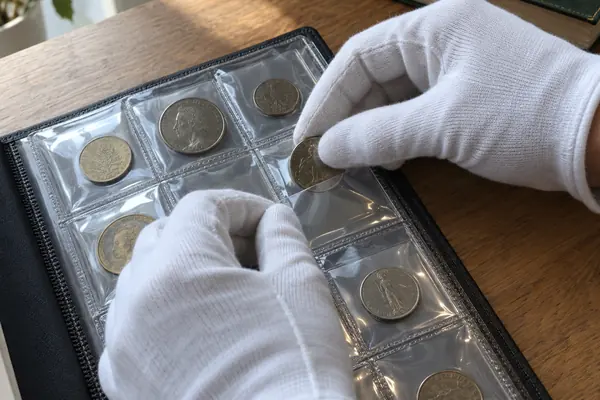
Collecting does not have to begin with a shop. The Royal Mint encourages people to look closely at their change, because some low-mintage designs are still in everyday circulation, such as the 2009 Kew Gardens 50p, with a mintage of 210,000.
A few words help. The obverse is the heads side and the reverse is tails. Mintage is the total number struck. Proof coins are specially struck for collectors using polished dies and blanks.
In conversation
Yes. The Royal Mint says all UK circulating coins bearing Queen Elizabeth II’s portrait remain legal tender and in circulation. They are replaced gradually as they wear out or are damaged.
The Royal Mint says the King’s portrait faces left, the opposite direction to Queen Elizabeth II, in keeping with tradition. The portrait was designed by the British sculptor Martin Jennings.
Eight nature designs: a hazel dormouse (1p), red squirrel (2p), oak leaf (5p), capercaillie (10p), puffin (20p), Atlantic salmon (50p), a bee (£1) and national flowers (£2). The 50p was the first of these designs into circulation, at the end of 2023.
No. The Bank of England says legal tender has a narrow technical meaning about settling debts, and a shop owner can choose what to accept.
At The Royal Mint in Llantrisant, South Wales. The site was officially opened in 1968 to cope with decimalisation, and coin production in London ended after the move.
Each figure on this page comes from the sources below.
ABOUT THIS NAME
doodlecoin.com is part of the DoodleSale portfolio. It isn't in an auction right now, but you can ask about leasing it.